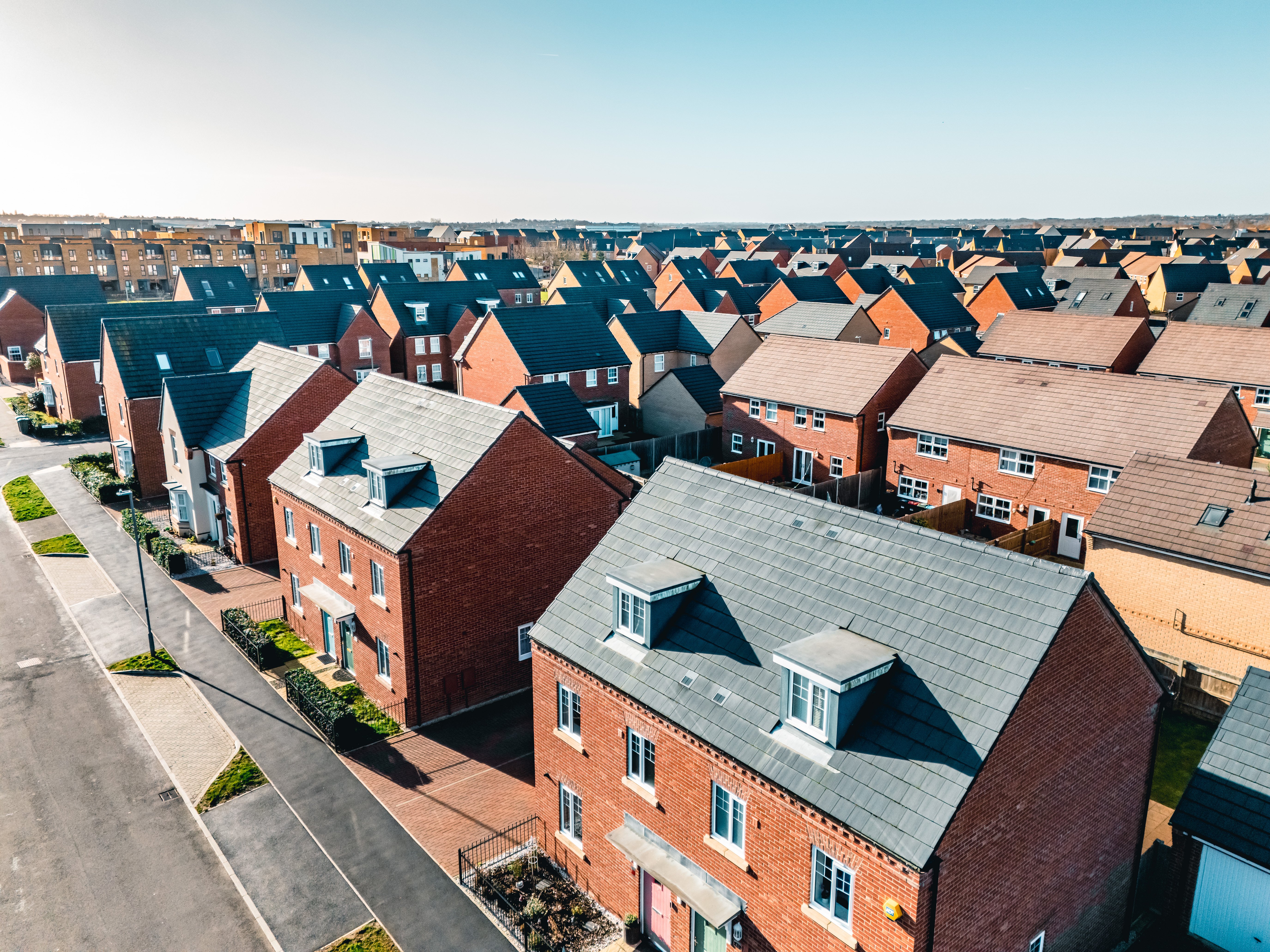
The government’s net zero ambitions have taken another step forward with the introduction of new building standards that tighten energy efficiency requirements.
Brought into force through the Building Regulations etc (Amendment) (England) Regulations 2026. The new Future Homes and Buildings Standards (FHBS) will mandate that all new homes in England need to be ‘zero carbon ready’, bringing in changes that developers, contractors and consultants will need to be aware of, with the detail now having caught up with the direction of travel.
Natalia Sokolov, Partner in our Construction and Engineering team, takes a look at the amendments to the regulations and why they matter for future projects.
What’s changing?
The 2026 Regulations amend existing building regulations to give effect to the Future Homes Standard (for residential developments) and the Future Buildings Standard (for non-domestic buildings).
At their core, the changes update:
- Part L (conservation of fuel and power) – strengthening requirements around energy performance and carbon emissions. Mandatory on-site generation through heat pumps, solar panels and similar low carbon technologies will be required for new homes.
- Part F (ventilation) – ensuring that improved airtightness is balanced with appropriate indoor air quality standards. Enhanced fabric standards, better insulation and reduced thermal bridging will be required to improve the efficiency of new homes.
As well as this, the regulations aim to make new homes and non-domestic buildings achieve low carbon heating and high energy efficiency standards. In practical terms, this means buildings should not require future retrofit to meet net zero targets as the UK real estate industry decarbonises.
Updated documentation to support compliance has also been published alongside the regulations, providing more detailed technical guidance on how the new standards can be met.
Timing will be key, particularly for projects set to start in the next 12-24 months, with the new regime applying from 24 March 2027 for most building work. For higher-risk buildings (HRBs), the changes apply later, from 24 September 2027 – importantly this will include works to existing HRBs.
Transitional provisions will apply, but these are expected to be tightly drawn.
Why this matters
For those operating in the built environment, the FHBS represent more than a technical update and are likely to influence design, procurement and viability.
With design expectations shifting, developers will need to incorporate low-carbon heating systems (such as heat pumps), improved fabric performance and potentially on-site renewables as standard.
Planning and regulatory alignment will be important, especially where local planning authorities have set their own energy standards. The relationship between local requirements and the national FHBS will need careful navigation to avoid duplication or conflict.
Finally, risk allocation in contracts is likely to come under scrutiny. As standards evolve, so too does the risk of non-compliance. This may lead to more detailed provisions around design responsibility, performance guarantees and regulatory change.
What should you do?
Even though the implementation dates are a year away, it is important to start preparing now. Some steps to help reduce risk and keep projects on track include:
Reviewing project pipelines - Identify schemes that may fall within the transitional period. Where possible, consider whether to progress under the current regime or design to meet the future standards now. Delays could inadvertently bring a project within scope of the new requirements.
Engage your design teams early – Energy strategy will need to be embedded from the outset. Early input from mechanical and electrical engineers, sustainability consultants and building control professionals will be critical to achieving compliance without costly redesign later.
Revisit specifications and standard details – Developers with standard house types or building specifications should begin reviewing these now. As incremental updates may not be sufficient and more fundamental changes could be required.
Consider procurement and supply chain readiness – Check whether your supply chain is equipped to deliver the required technologies and performance levels. Lead times, availability of skilled installers and product certification may all affect delivery.
Review contracts and risk allocation – Construction and professional appointments should be reviewed to ensure they reflect the evolving regulatory landscape. Clear obligations around compliance with future standards, and responsibility for design performance, will help manage disputes later. Make sure you are seeking legal advice in this area as soon as possible to ensure compliance happens efficiently.
Keep an eye on guidance and further updates – The updated approved documents are central to understanding how to comply. Further clarification and industry guidance are likely as the implementation date approaches, particularly in relation to transitional arrangements. The Future Homes Hub is a useful starting point.
These changes, although not fully implemented until Mach 2027, will bring the ambition for long term sustainable buildings firmly into the regulatory framework. For developers and contractors, the challenge will be translating evolving standards into practical, buildable solutions without exposing projects to unnecessary delay, additional cost or risk.
For developers and construction professionals, those who engage early and adapt their processes now are likely to be best placed to manage cost, maintain programme certainty and meet the new regulatory expectations.
Thrings’ Construction and Engineering lawyers are well versed in advising those in the construction and real estate industry in navigating ever-changing regulation, with expertise in supporting clients with property portfolios, investment and transactions. For more information, get in contact today.